Fuse board upgrades

Old rewireable fuse boxes and early plastic consumer units replaced with a modern metal board, RCD protection on every circuit, surge protection and a full installation certificate.

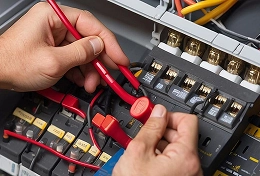
Electrician working on circuit breakers in a consumer unit

The consumer unit, or fuse board, is where every circuit in the house is protected. Older boards with rewireable fuses, or plastic units without RCD protection, are among the most common reasons a house fails an EICR. Replacing the board is often the single most effective safety upgrade you can make.

A consumer unit change is notifiable work under Part P of the Building Regulations. It has to be notified to building control and certified, and that matters when you come to sell or let the property.

What a modern board includes

  • A non-combustible (metal) enclosure, required for domestic consumer units since 2016;
  • RCD protection for every circuit that needs it, ideally with RCBOs so a fault on one circuit doesn't take out half the house;
  • Surge protection (SPD), now required in most cases by BS 7671;
  • Where required or recommended, arc fault detection (AFDDs), mandatory for socket circuits in HMOs, purpose-built student accommodation and care homes;
  • A clear, printed circuit chart.

We test before we quote

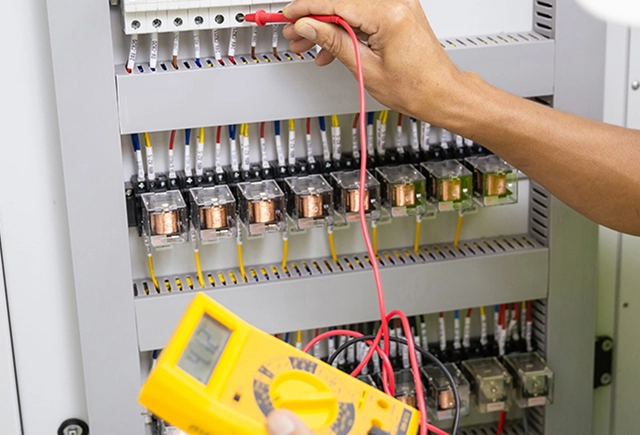
A new consumer unit with RCDs will expose faults the old fuses never noticed: a borrowed neutral, low insulation resistance, a cable damaged years ago. That's a good thing, but it means we test the existing circuits before we fit the board, so you know about any problems up front rather than on the day. Main protective bonding to the gas and water also has to be up to standard, and we'll include it if it isn't.

On the day

Most domestic boards are changed in a day, with the power off for much of it. We label every circuit, test each one after connection and leave the installation fully working. You receive an Electrical Installation Certificate, and the building regulations compliance certificate follows once it's been notified.

Frequently asked questions

Is my old consumer unit dangerous?

RCBOs or a dual-RCD board?

Does a consumer unit change need building regulations approval?

How it works

From first message to finished job

01

Tell us about the job

A short message with a photo or two is usually enough for us to understand the job and give you a price.

02

Clear price

We confirm the cost, what's included and roughly how long it will take before you agree to anything.

03

The work

We protect floors and furniture, isolate the circuit, do the job to BS 7671 and test it before we leave.

04

Paperwork

You get the right certificate for the work, a minor works certificate or an installation certificate, plus building control notification where the law requires it.

Upgrades

Thinking about a new fuse board?

Send a photo of your current consumer unit and we'll tell you what's involved.

WhatsApp us