Smoke & CO alarms

Mains-powered, interlinked smoke and heat alarms and carbon monoxide alarms, fitted in the right places for homeowners and landlords.

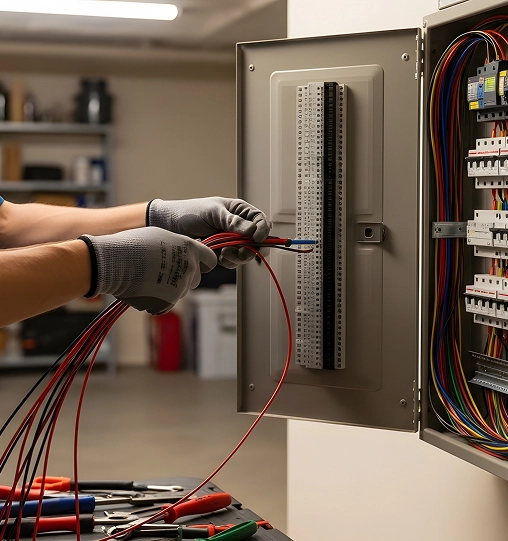
Electrician working on an electrical panel during an alarm installation

A smoke alarm only protects you if it works, and battery alarms get their batteries borrowed or simply run flat. Mains-powered, interlinked alarms, with a battery back-up, solve both problems: they don't depend on someone remembering, and when one sounds, they all sound.

What landlords must provide

Under the Smoke and Carbon Monoxide Alarm (Amendment) Regulations 2022, private and social landlords in England must:

  • fit at least one smoke alarm on every storey used as living accommodation;
  • fit a carbon monoxide alarm in any room with a fixed combustion appliance (excluding gas cookers);
  • check alarms work at the start of each tenancy, and repair or replace them once told they're faulty.

The regulations allow battery alarms. HMO licences and fire risk assessments often ask for more, typically an interlinked mains system to BS 5839-6, and that's what we generally recommend for rented homes.

Where alarms go

  • Smoke alarms in hallways and landings, the escape routes, and in the main living room;
  • A heat alarm in the kitchen, because smoke alarms there go off every time someone makes toast;
  • Carbon monoxide alarms near boilers, wood burners and open fires;
  • Ceiling-mounted, away from walls and corners, and not right next to a bathroom door where steam can trigger them.

Mains or radio-linked?

Traditional systems are wired from a lighting circuit, with an interconnecting cable between alarms. Modern radio-interlinked mains alarms still need a mains supply to each alarm head, but they talk to each other wirelessly, which avoids lifting floors to run interlink cables. It's usually the neatest option in an occupied home.

Frequently asked questions

Do smoke alarms need replacing?

Do you fit carbon monoxide alarms?

Can you add alarms while doing our EICR?

How it works

From first message to finished job

01

Tell us about the job

A short message with a photo or two is usually enough for us to understand the job and give you a price.

02

Clear price

We confirm the cost, what's included and roughly how long it will take before you agree to anything.

03

The work

We protect floors and furniture, isolate the circuit, do the job to BS 7671 and test it before we leave.

04

Paperwork

You get the right certificate for the work, a minor works certificate or an installation certificate, plus building control notification where the law requires it.

Fire safety

Need alarms fitted?

Tell us how many floors and rooms, and whether you're a homeowner or landlord, and we'll quote.

WhatsApp us